
HVAC & Thermal Transfer Tubing
Tubing for systems that move heat. Chiller tubes under pressure and radiant runs that cover thousands of square feet.
Where a Leak Shuts Down a Building
Heat transfer applications don't leave room for shortcuts. Whether it's pressurized chiller water circulating through an HVAC system or heated air radiating through a warehouse ceiling, the tubing has to be leak-free and clean. A failed connection in a chiller loop shuts down a building. A wrinkled bend creates turbulence that kills efficiency. These systems don't fail in obvious ways. They lose efficiency, develop leaks, or create problems that show up weeks after install. That's why the details matter.
H-P supplies both sides. Chiller tubes with the end forms HVAC systems actually require, and radiant heat tubing in volume for projects that can't wait. That means fewer vendors to manage, fewer delays, and tubing that shows up when the install crew does.
Leak-Tested Parts
Every pressurized chiller part is tested before it ships.
Specialized End Forms
Victaulic grooves, flat face flanges, Code 61/62 split flanges.
Deep Inventory
1M+ lineal feet of tubing on the shop floor.
Wrinkle-Free Mandrel Bends
Clean inner walls for unrestricted flow and heat transfer.
What We Build
Chiller Tubes
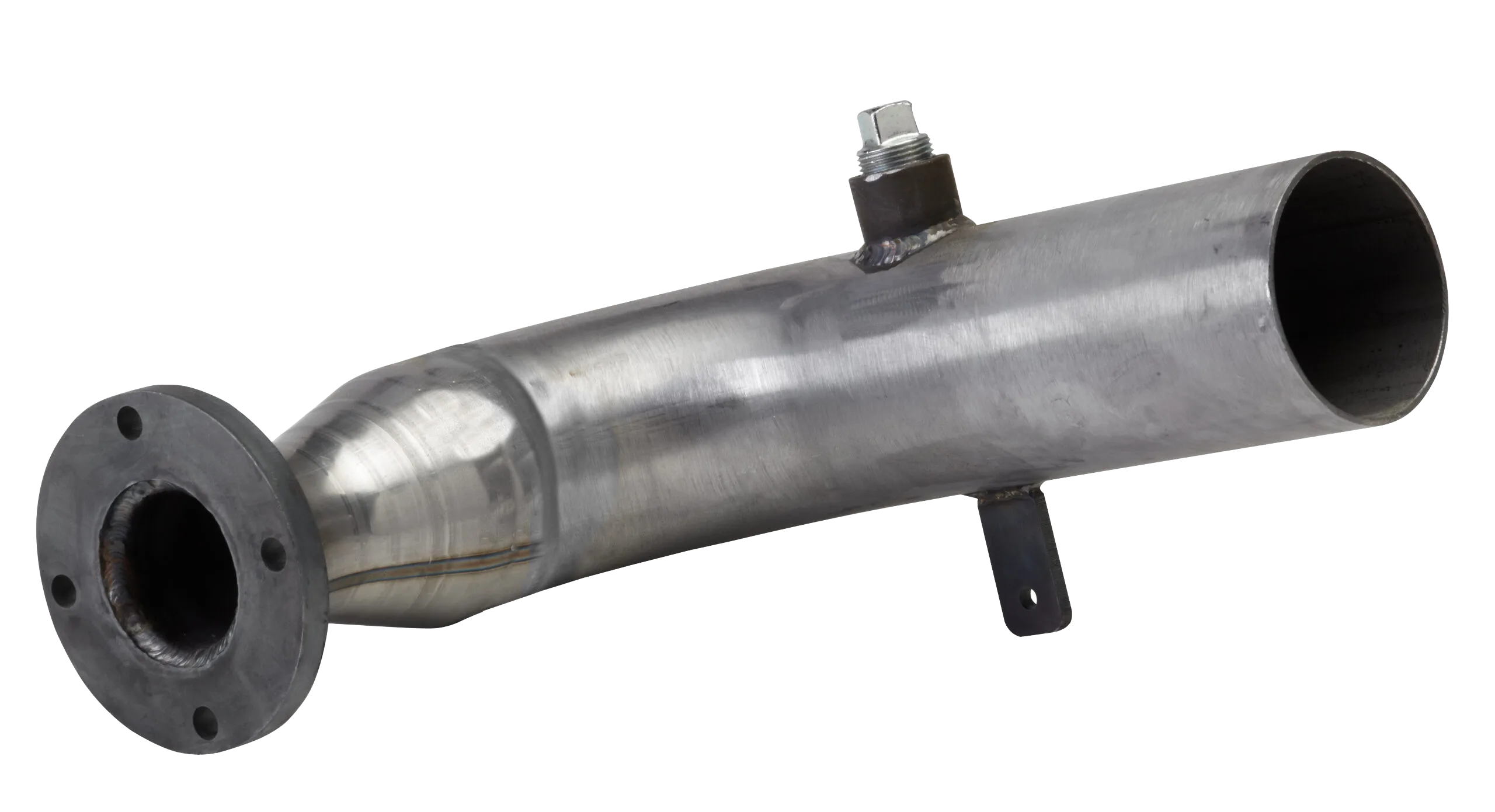
Chiller tubes move chilled water through large HVAC systems. Most run under pressure, so every connection has to seal. The end forms differ from standard radiator tubing: Victaulic grooves, flat face flanges, and split flange ends for pressurized systems.
One wrinkle on the inner wall increases pressure drop at the bend, and that lost efficiency adds up across the system. The chiller works harder, the energy bill climbs, and nobody can point to why until someone pulls a tube.
Radiant Heat Tubes
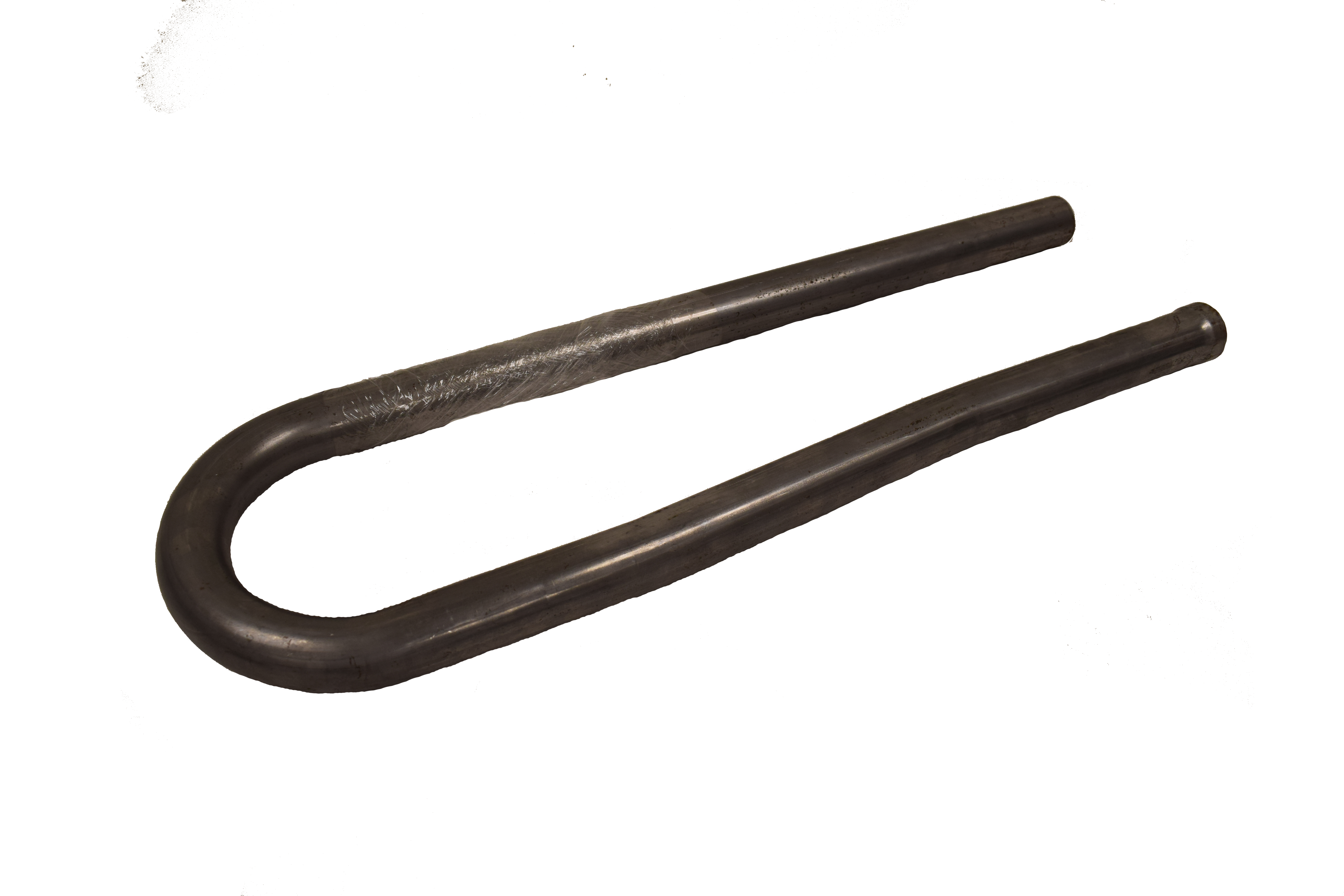
Gas-fired radiant tube heaters burn fuel inside the tube, heating the surface, which radiates infrared heat downward through overhead reflectors. Most of the tubing is straight black carbon steel in 20-foot lengths, thicker wall, leak-proof ends and bends to contain combustion gases. The contractor bidding a 200,000 square foot warehouse doesn't want to chase steel from three suppliers.
We keep over a million lineal feet on the floor. When the layout calls for routing around columns or transitioning between reflector runs, we bend it in any radius. One call, one source.
Materials We Run
The materials most common in chiller and radiant heat work.
Carbon Steel
1006 – 1026
Stainless Steel
304, 316, 409, 439
Cleanliness Standards. Chiller tube applications may require cleaning to SAE J 1726 or equivalent, depending on the system. We clean and test in-house.
Where This Work Goes
If the building relies on a chiller plant or radiant heat system, the tubing has to perform, and it has to be there when the job starts.